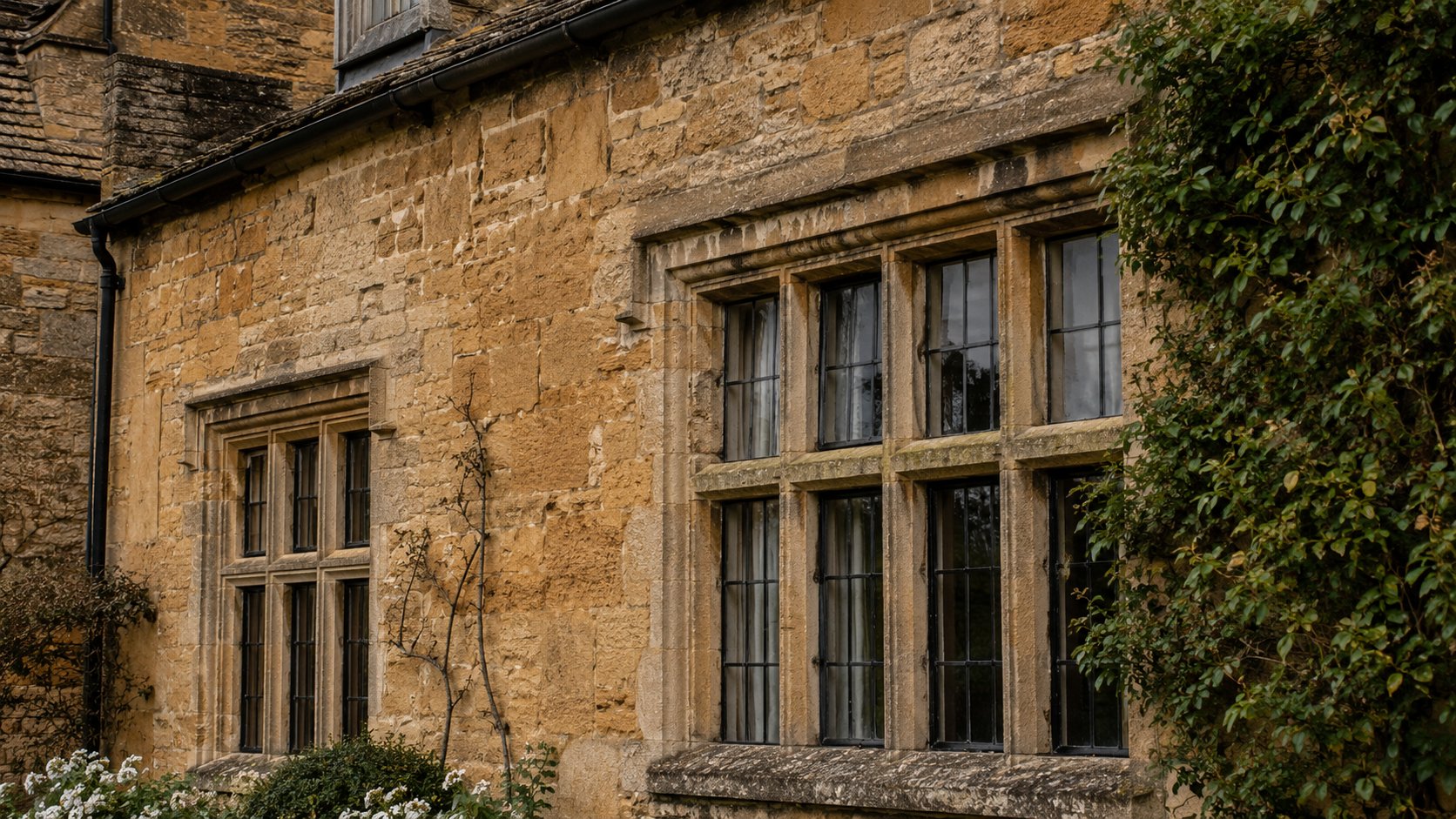

When buying a listed building, many buyers ask: how much more will it cost to renovate compared to a standard period property? The honest answer is significantly more — and understanding why before you commit can be the difference between a rewarding project and a financially damaging one.
What does it mean for a property to be listed?
A listed building is one that has been placed on the Statutory List of Buildings of Special Architectural or Historic Interest. In England, this is managed by Historic England. There are three grades:
- Grade I — buildings of exceptional interest (only 2% of all listed buildings)
- Grade II* — particularly important buildings of more than special interest
- Grade II — nationally important and of special interest (the most common, covering around 92% of all listed buildings)
Listing covers the entire building — inside and out — and often extends to ancillary structures, walls, and outbuildings within the curtilage. This has direct implications for what you can and cannot do during renovation.
Why does listing make renovation more expensive?
Listed Building Consent
Any works that would affect the character of a listed building require Listed Building Consent (LBC) — a separate planning permission that sits alongside standard planning consent. This applies to internal as well as external works. Replacing windows, altering layouts, changing floor finishes, or updating heating systems can all require consent. The application process takes time and costs money, and consent is not guaranteed.
Like-for-like material requirements
Conservation officers typically require that repairs and replacements use materials that match the original as closely as possible. This means traditional lime mortars rather than modern cement, natural slate rather than fibre cement, timber sash windows rather than uPVC, and handmade bricks rather than machine-made alternatives. All of these materials cost significantly more than their modern equivalents — and the specialist labour to work with them costs more too.
Specialist contractors
Not all builders can work on listed buildings. Conservation work requires knowledge of traditional construction methods, materials compatibility, and the regulatory framework. Finding contractors with the right experience — and paying for it — adds materially to project costs. In some areas, particularly rural Gloucestershire and the Cotswolds, there are relatively few contractors with genuine listed building experience, which further limits supply and pushes costs up.
Structural constraints
Altering the structural configuration of a listed building is heavily restricted. Moving walls, opening up spaces, or adding extensions requires consent and careful design. This limits what you can do to modernise a listed property and often means engaging a specialist architect from the outset — adding professional fees before any physical work begins.
The cost premium: As a general rule, expect renovation costs on a listed property to run 25–40% higher than comparable works on a non-listed period property. On a project costing £100,000 on a standard property, the same scope on a listed building might cost £125,000–£140,000 or more.
What renovation costs are specific to listed buildings?
Windows
Replacing sash windows in a listed building requires like-for-like timber replacement, often specified to exact profiles, glass types, and ironmongery. Secondary glazing may be permitted as an alternative in some cases. Per window costs of £1,500–£3,500 are common, compared to £800–£1,500 for similar work on a non-listed property.
Roofing
Natural slate, handmade clay tiles, and original leadwork must typically be retained or replaced like-for-like. Sourcing reclaimed slates to match existing ones adds cost and lead time. A full re-roof on a listed property often costs 20–30% more than on a comparable non-listed building.
Lime mortars and plastering
Modern gypsum plasters are incompatible with traditional masonry construction. Listed buildings typically require lime plaster throughout — both for external pointing and internal plastering. Specialist lime plasterers charge a premium and the material itself costs more than modern alternatives.
Heating and electrics
Installing underfloor heating, updating electrics, or adding insulation in a listed building requires careful design to avoid damaging original fabric. Rewiring a listed building involves more careful routing to avoid chasing through original plasterwork — adding time and cost to what is already an expensive trade.
What should buyers check before purchasing a listed building?
- Check the listing description — understand exactly what is covered and what consent conditions apply
- Ask whether any previous works were carried out with Listed Building Consent — unauthorised works are a liability that transfers with the property
- Speak to the local planning authority's conservation officer before committing — they can give informal guidance on what will and won't be permitted
- Commission a renovation cost assessment from someone with listed building experience — standard renovation costs do not apply
- Budget for professional fees — architect, planning consultant, and structural engineer input is almost always required on listed building projects
Is a listed building worth buying?
Listed buildings can be exceptional homes and investments — but only when the true cost of renovation is understood before purchase. The buyers who come unstuck are those who apply standard renovation cost assumptions to listed properties and then discover, after exchange, that the regulatory and material constraints make their budget entirely inadequate.
A renovation cost assessment on a listed property should always be conducted by someone who understands the specific constraints that listing imposes — not a standard building assessor applying generic figures.
Every renovation job, every range — and why the cheapest quote is usually the most expensive.
Know the true cost before you commit.
NOROS Assessments provides pre-purchase renovation cost assessments for listed buildings across Gloucestershire, Wiltshire and Oxfordshire. Based on real construction experience — including listed building constraints. From £250 for a site visit.
Get in Touch