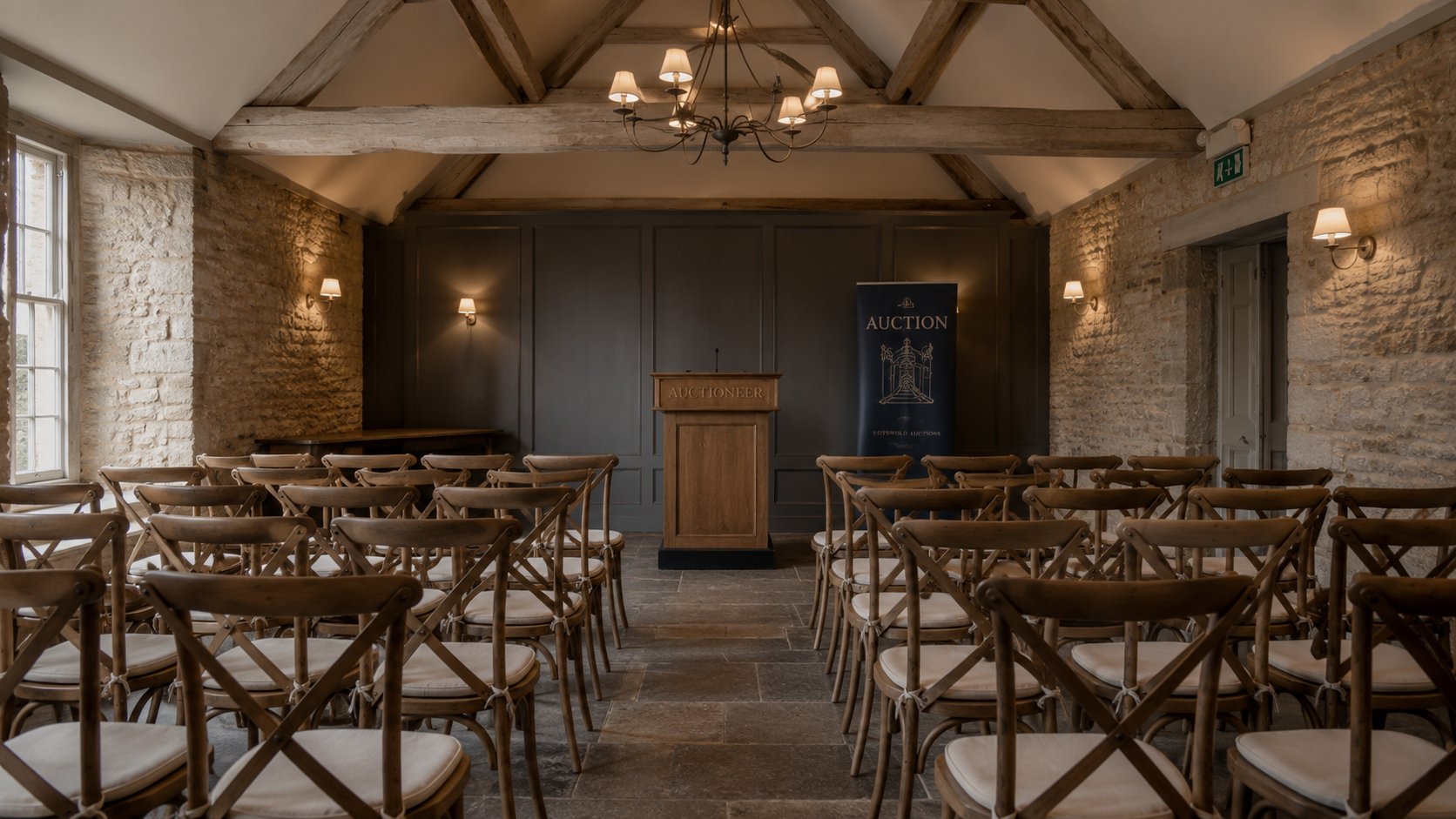

When buying a property at auction, buyers frequently ask: how do I know what the renovation will cost before I bid? The answer is the same as it would be before any purchase — you commission a proper assessment. The difference at auction is that you have very little time to do it.
Exchange contracts on the fall of the hammer — with no opportunity to renegotiate once you have bought.
What makes auction property different from a standard purchase?
At a standard property sale, you can make an offer, conduct surveys, discover issues, and either negotiate the price or withdraw. At auction, that process is compressed and largely removed. You have the days between the catalogue being published and the auction date to complete your due diligence. Then the hammer falls, and you own it — regardless of what you discover afterwards.
What renovation cost mistakes do auction buyers most commonly make?
Bidding based on a phone estimate
The most common and most expensive mistake. A builder who quotes over the phone without seeing the property is guessing — and those guesses consistently underestimate by 20–40%. By the time the real scope becomes clear, you own the building.
Misjudging the guide price
Guide prices at auction are starting points, not valuations. Competition between bidders regularly pushes final prices significantly above guide. Buyers who set their maximum bid without knowing the renovation cost can easily find themselves winning a lot at a price that makes the overall project unviable.
Unforeseen structural issues
Auction properties often have issues that only become apparent on close inspection. Structural problems not visible in listing photos, drainage issues, roof conditions that require scaffolding to assess — these are the surprises that turn an apparent bargain into a costly lesson.
The auction rule: If you do not know what the renovation will cost before you bid, you do not know what to bid. Setting a maximum bid without a renovation cost assessment is guesswork — and guesswork is expensive at auction where you cannot withdraw after the hammer falls.
How should I do due diligence on an auction property before bidding?
Request access before the auction
Most auctioneers hold viewing days. Use them. If possible, arrange separate access to bring in an assessor — many auctioneers will accommodate this for serious buyers. The cost of an assessment is negligible compared to the cost of buying blind.
Get a renovation cost assessment, not just a survey
A survey tells you what is wrong. A renovation cost assessment tells you what it costs to fix — which is the number you actually need before you set your maximum bid. Read our guide to budgeting before you offer.
Read the legal pack before auction day
Have a solicitor review it before auction. Planning restrictions, rights of way, covenants, and historical title issues should be understood before you bid — not after.
How do I set my maximum bid on an auction property?
- Establish the post-renovation market value using comparable sales
- Deduct your total renovation cost including contingency
- Deduct your target profit margin or equity gain
- Deduct purchase costs — stamp duty, legal fees, auction premium
- The resulting figure is your maximum bid — do not exceed it
Every renovation job, every range — and why the cheapest quote is usually the most expensive.
Do not bid blind.
NOROS Assessments provides pre-auction renovation cost assessments across Gloucestershire, Wiltshire and Oxfordshire. We work to auction timelines — often delivering reports within 24–48 hours of a site visit. From £250.
Get in Touch